
Handmade vs Mass-Produced Furniture

While all furniture making can be considered an art, there’s a marked difference between handmade and mass-produced furniture. Continue reading
While all furniture making can be considered an art, there’s a marked difference between handmade and mass-produced furniture. Continue reading
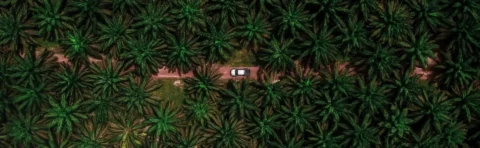
Despite the global focus on slowing the effects of climate change, trees – the habitats to many and air supply to all – are still facing mass destruction. National Geographic report that an incredible 1.3million square kilometres was lost between 1990 and 2016 alone, and around 17% of the Amazonian rainforest has been wiped out with trees being felled every day. Since humans first evolved, we have destroyed 50% of the world’s trees. Forests are cleared for grazing livestock, urbanisation, producing palm oil and logging. Natural wildfires excuse humans from being sole respondents of deforestation but, unlike humans, fires eventually replenish forests with nutrients and growth.
As a small business revolving around timber, we not only recognise the important of being sustainable, but we value our responsibility to the environment. With the world on our mind, Steamed Studio work to a ‘less is more’ ethos. In our humble workshop you will only find us making what we need. This helps us cut down on waste material. Unlike mass manufacturing sites, we do not have long production lines and stacks of timber. Here are some other ways Steamed Studio is doing our bit:
It is essential that we all do our bit in the fight against the effects of deforestation on our planet. In our bid to support the fight against deforestation, we are committed to raise awareness of the impact of deforestation on the environment, and we will continue to share and post important to our website.

Ash trees are increasingly at risk within the UK. Not only are they having to fight back against Ash Dieback, but there’s another threat on the horizon: the Emerald Ash Borer. As the name suggests, this vibrant beetle burrows out of ash trees. The females of the species lay their eggs in crevices between the bark or on leaves, and, once hatched, the larvae gorge on the trees’ internal system for transporting water and nutrients. As adults, the pests bore their way out through the bark, and fly off to lay eggs and start the cycle again. After housing multiple generations of beetles, the ash trees can no longer survive. Signs to look out for include almost bullet-like holes in the bark – a sign that the tree may be at war with pests. But you might not see these marks around the UK just yet: as far as we know, the Emerald Ash Borer hasn’t taken root so far in the UK. For now, it is found in Asia, Russia, the US and Canada – but it’s spreading fast. Combined with the effects of Ash Dieback, its arrival may mean the local extinction of some ash populations altogether. The Woodland Trust has been lobbying the UK government to improve biosecurity at border points to ensure that infected wood doesn’t slip through. If it does arrive here, it’s important to know the signs and be ready to report them so that authorities can manage outbreaks before they spread.
Oak trees are symbolic of strength and wisdom. They’re so popular worldwide that they even feature on a few national flags! And yet in the UK, we have seen a period of acute oak decline over the past twenty years. More than anything, oak trees are affected by a rapidly changing climate. Both droughts and floods can cause them stress, and, once weakened, bugs and diseases can easily take root. This is especially prevalent when foreign insects have been introduced into local woodlands, as the trees have no natural defences. Signs of this stress are often visible: oak trees are likely to thin out around the top over a couple of years, or – rather dramatically – start “bleeding” a black liquid. Both are the tree’s natural defences, and oak trees can recover from this state when the climate regulates. However, if the period of stress is particularly long or severe, the tree might not have enough energy stores left to survive the winter or fight off bugs – and if disease sets in, they can die within just a few years.
Elm trees are popular in folklore around the world: in Celtic mythology, for example, they’re thought of as markers of passageways into Faerie and the Underworld. They also often symbolize the cycle of life and death. It is perhaps ironic, then, that they are so under threat in the modern world. Probably the most pervasive danger to elms at the moment is Dutch elm disease. Named for the researchers who studied it back in the 20s, this disease – or, more accurately, fungus – is thought to have originated in Asia. It’s spread via the elm bark beetle, which breeds in the cracks of diseased or dying elm trees. The young then seek out healthy elm trees in which to feed – inadvertently spreading this fungus. Signs of Dutch elm disease include clusters of wilted, yellow leaves; twigs that bend downwards; and black streaks under the bark of new branches. Dutch elm disease is found almost all over the UK – only the far north has so far eluded it. One of the preventative measures taken is the felling of diseased trees to reduce the number of breeding options for the elm bark beetles – so if you see any trees with signs of disease, tell your local woodland authority as soon as you can. It’s so important to protect our local woodlands – they’re a part of our history, our industry, and our mythology. With a clear awareness of the threats and their signs, we can help to prevent the forests’ extinction – and keep the country as green as it always has been.